How to Build a Smart Pet Product Comparison Table Buyers Can Trust
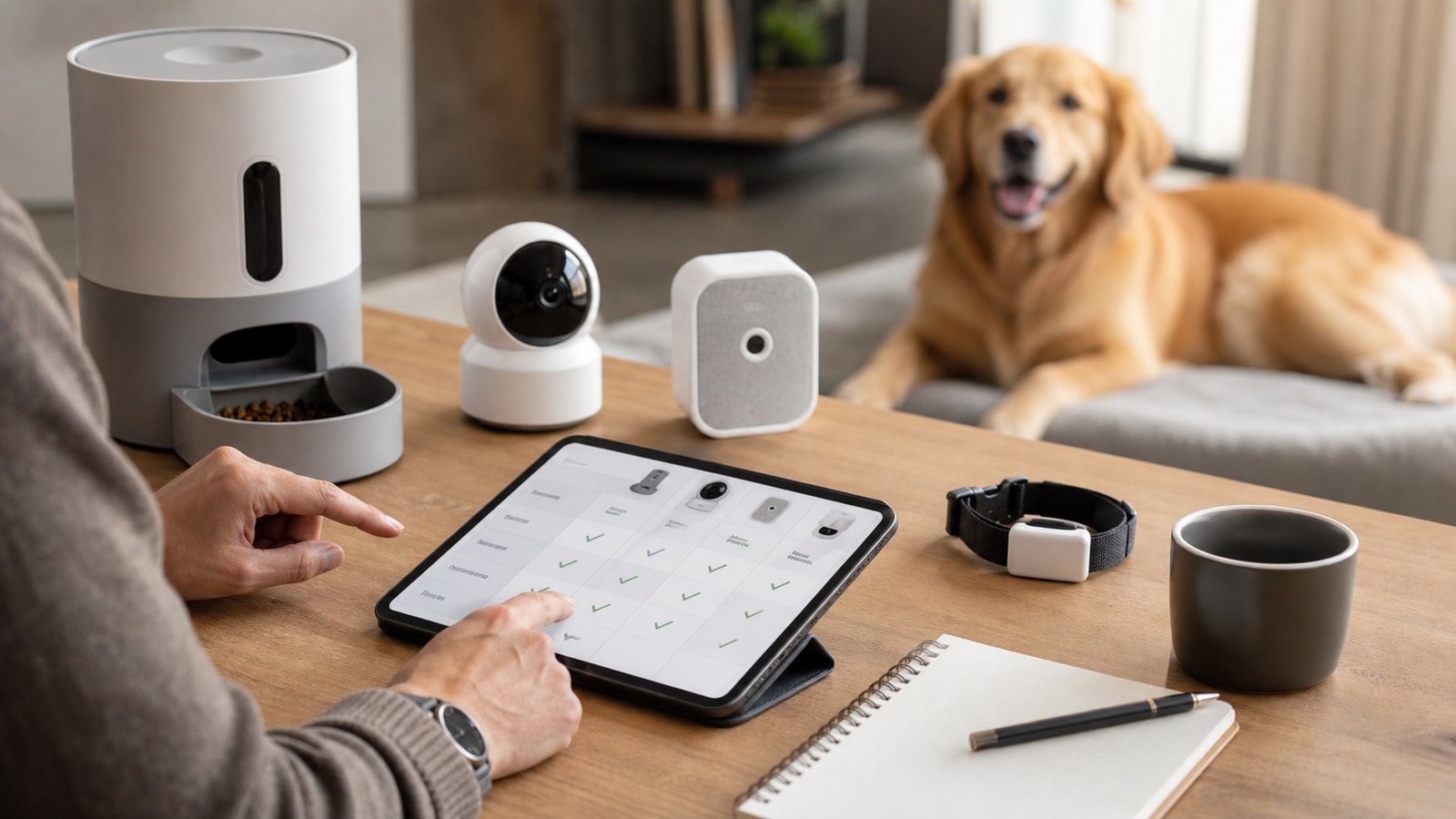
Content and sales teams often receive supplier material that makes every option look comparable. In practice, a reliable launch depends on a smaller question: can the team verify the conditions under which the product, documentation and service promise will work? This guide explains how to approach smart pet product comparison table with a decision process that a buyer, product manager and operations lead can all use.
Start with the commercial decision
The decision is to compare meaningful operating evidence rather than a long feature list. Write that decision in one sentence before requesting another quotation or sample. It prevents a common failure mode: comparing features that do not change the buying outcome while leaving the expensive risks undefined.
For every candidate, ask for the model number, revision, applicable market, planned channel and launch window. A feature shown in a sales deck is not automatically included in the configuration you will purchase. Keep the answer in the quote, specification sheet or approved artwork—not only in a chat message.
The five checks that matter
1. use case
Ask what evidence exists, who owns it and whether it applies to the exact configuration. A test from a related model can be useful context, but it is not a substitute for confirmation of the sold SKU.
2. verified specs
Build the test around the real user and the real channel. Include the accessories, packaging, power setup and operating conditions that customers will actually encounter. A controlled demonstration is only the start of validation.
3. limitations
Record the expected behavior, the unacceptable outcome and the escalation path. This turns an opinion into a reviewable requirement and gives the supplier a precise corrective-action target.
4. service needs
Check the handoff between product, packaging and support. The product can be technically sound and still generate avoidable returns when instructions, labels, replacement parts or customer-service guidance are incomplete.
5. decision rule
Make this part of the launch gate. If a claim, document or operational step is still uncertain, assign an owner and date rather than allowing the uncertainty to travel into a purchase order.
A practical sample-review workflow
Use at least two reviewers: one focused on end-user operation and one on commercial and service consequences. Photograph the carton, labels, accessories and product identity; retain the files with the sample scorecard. Then run the normal workflow from setup through cleaning, interruption, storage and a simulated support question.
smart pet product comparison table succeeds when a buyer can connect the product promise to evidence, operating limits, and a clear owner for each risk. The practical work is not to collect the longest specification sheet; it is to make decisions that survive sample review, launch pressure, and real support tickets.
Product and supplier context
For a concrete category reference, review the catalog comparison context. Treat supplier pages as commercial discovery material: use them to frame an RFQ, identify relevant product types and prepare technical questions. Do not treat a product page as evidence that a particular configuration, claim or market obligation has been satisfied; request the documents for the exact SKU and destination market.
Questions to add to the RFQ
- Which document, test or approved sample proves each critical requirement?
- What changes when the order moves from a sample to the selected production configuration?
- Which failures can be resolved with a part, and which require replacement?
- Who owns the product file, artwork revision and market-specific instructions?
- What must be complete before the first inventory is released for sale?
Final takeaway
Strong smart pet product comparison table decisions are made before the first large order. Keep the review focused on evidence, operating conditions and the support model. That approach gives content and sales teams a clearer basis for comparison and makes the eventual customer experience easier to protect.